


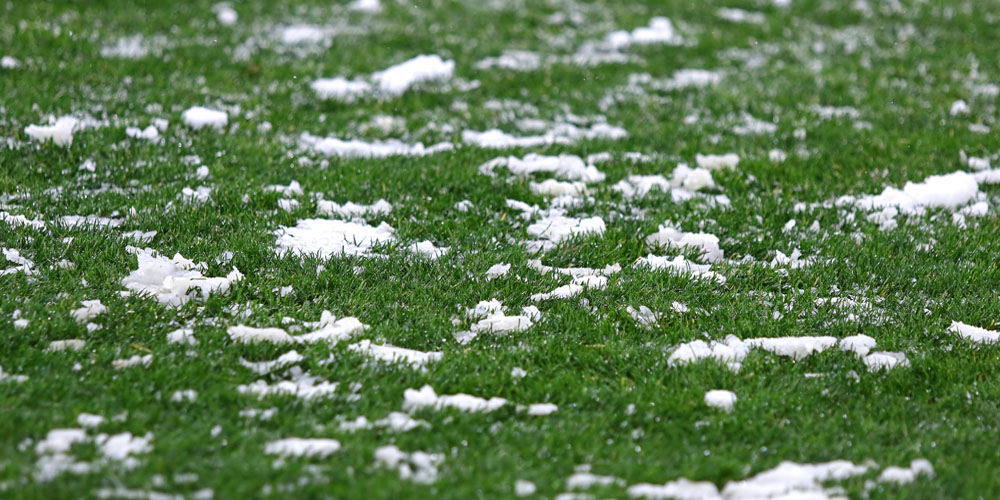
Artificial Turf Decreases Risk of Lawn Frost Damage
November 16, 2023
Artificial turf is durable and unlike natural grass, it can withstand harsh weather. Nevertheless, some people still believe the myth that synthetic grass is susceptible to lawn frost damage. They think that walking on a layer of frost will damage the turf. This simply is not the case. Our products at Watersavers Turf stand up to this common winter lawn issue.
Avoid Frost-Covered Synthetic Grass
Cautiously walking on frost-covered synthetic grass won’t damage the blades. However, it can cause the frost to compact and create a thick layer of ice. While you can remove the ice by hand or with a plastic shovel, improper removal can create lawn frost damage. If you don’t remove the ice, the odds of slipping and falling become greater. The ideal option is to let the frost melt before using your synthetic lawn.
Natural Melting Minimizes Lawn Frost Damage
As frost melts on artificial grass, the water will simply drain into the soil beneath it. Whereas on a live lawn, the excess water can make the grass muddy and soggy. Synthetic lawns have porous backings which allow for easy drainage. This natural melting reduces the likelihood of lawn frost damage.
If you own a commercial property, it can be difficult to ask guests to stay off the lawn until the frost melts. In these types of instances, you can fast track the process by pouring warm water over the turf. If you have some old blankets you’re not using, cover the lawn with them to help warm the area. Don’t use salt to speed up the melting. Salt won’t harm the blades, but it could damage the backing.
How to Prevent Frost on Synthetic Grass
Frost forms when turf becomes colder than the surrounding air. It usually happens overnight and is more common on clear nights. You can prevent frost by monitoring weather reports during the cold winter months. If the report indicates that frost is expected overnight, lay out a tarp over your artificial grass. It will act as a barrier and collect the frost. The next morning, you can lift the tarp off your lawn. Learn more about how to maintain your artificial turf in the winter season here.
Artificial Grass Benefits During Winter
There are many benefits that are exclusive to synthetic grass. One of these perks is artificial turf’s ability to stay in good shape despite severe weather conditions. A natural lawn freezes when it’s covered by frost. If you walk on the surface, the grass blades can snap in half and cause lawn frost damage. This is not something you need to worry about with artificial grass.
Additionally, frost and snow can alter the color and general appearance of a real lawn. Property owners want their lawns to stay green and vibrant all the time. Synthetic turf’s color durability is an appealing benefit not just for homeowners but also business owners. Bright-looking lawns attract guests and boost curb appeal of businesses. A lawn that’s been discolored due to winter weather won’t have the same effect. Furthermore, an artificial turf lawn has superior drainage and dries out faster than natural grass.
Synthetic grass is a unique and reliable material that you can enjoy throughout the year. To learn more, visit one of Watersavers Turf’s SF Bay Area locations or call us at 844-974-8873. Make sure to ask about our free turf samples. In addition, if you live in an area that experiences a lot of lawn frost damage, make sure to ask about our delivery options. Our team will help you choose the ideal turf for all seasons.

Leave a Comment